The last main theme I have encountered on my journey through my inquiry so far is Passion for the field of work you are in. With many jobs there are certain passions that make you successful.
If you didn't enjoy dancing why be a dancer? If you don't like cooking, why be a chef?
There are many jobs out there that people don't have a passion to do, and some jobs are stereotyped to be a 'bog standard, couldn't get anything else' job. But how I feel is that no matter what the job no-one should be penalised for doing what they do if they love it and have a passion. Surely a passion for your job makes you good at it.
Certainly as a performer it is clear to see who is passionate and who isn't, for example on stage, a person that is beaming out looking like they are having a good time- probably is, and the person with a fake smile is probably hating every minute of it, Who is more passionate? It may be wrong of me to stereotype this passion to how an individual performs but for me if I didn't enjoy doing something I wouldn't do it.
When speaking to individuals in my interviews, passion and dedication for their job is noticeable in the way people respond to how much they enjoy it. Again when doing observations around the workplace it was easy for me to see who really loved doing what they were doing and who was just doing it for the money because they need a job.
For all performers I think passion comes naturally. The amount of money we spend on our training goes to show how much we love to do it, I can be bias when saying this but I know passion isn't something you can teach, I am doubtful to suggest passion is a transferable skill. I think passion is something that develops the more you do something, and something that does change as you advance through your career. Using myself as an example, I had a passion to dance, which became a passion to entertain and I have a passion to want to teach, as I move through my career each of these passions changes and develops.
Do you performers feel your passion was taught to you just by performing arts training?
Saturday, 4 November 2017

Artefact Thoughts/ Ideas
I can't believe how fast this module is speeding through and already I am halfway through planning the final critical review and beginning to think about the professional artefact.
Having looked at some completed module 3 blogs and got some inspiration from our previous leader Paula's slide shares and Adesola's handbook I have come up with a few ideas that I would like to explore.
Firstly I have to ask myself what am I trying to portray in my artefact? Who is my target audience?
In my artefact I want to be able to appeal mostly to those performers who are worried about transitioning to other careers but also to people in other careers wanting to move to a different job as well. Basically I want my artefact to be able to be understood and viewed by all people. I want to explain who I am and the process I have gone through in my inquiry but also want to try and include my experiences in BAPP and what I have learnt.
A brief idea I had was to make a CV presented in an interesting way but then I thought it best to stick to the plan and avoid the paper and pen and think of something more creative.
I thought of an idea of using mannequins as an idea to represent the themes that came up but then I thought this wouldn't be easily accessible by all my target audience.
Working on cruise ships make me think that I want to think of something that is accessible via social media (youtube or Facebook etc) Digital Video/ Film would be a good way to do this however all I worry about is the producing of this, technically I do not know if I am able to produce a video, if I did manage to do this it would show a huge transition of my use of Web 2.0 from starting the course and I would feel a great sense of achievement. It would also help me develop skills to make a show reel etc. I just don't know if I want to risk being able to to make something of this standard for something that makes a big contribution to my final grade.
Other ideas I have thought of is posters and leaflets made via a computer programme so people can access this via a dropbox facility or something. Although easier to do I don't know if it really represents my professional practice, I would have to think of how to advance on this if I chose this option
Finally the last thing I thought of is to create an interactive image of a cruise ship (my practice currently) and use the decks as a way of representing stages of my inquiry and even my journey on BAPP, and perhaps using places and cabins on the deck as sub headers of the stages (for example themes from analysis stage) I believe this can be done on powerpoint programme, I have used this before in my job by creating gameshows using this programme so I would be intrigued to use something like this in my final artefact.
I think summarising I definitely need to think of an artefact that is accessible online via drop box or any Web 2.0 platform, this is the best way to appeal to my target audience.
Apologies for exceeding the word limit in this blog but would love to know if any of my ideas stand out to any of you performers out there and which of my ideas for an artefact would have the most interest to you, what would make you want to view it or access it?!
Having looked at some completed module 3 blogs and got some inspiration from our previous leader Paula's slide shares and Adesola's handbook I have come up with a few ideas that I would like to explore.
Firstly I have to ask myself what am I trying to portray in my artefact? Who is my target audience?
In my artefact I want to be able to appeal mostly to those performers who are worried about transitioning to other careers but also to people in other careers wanting to move to a different job as well. Basically I want my artefact to be able to be understood and viewed by all people. I want to explain who I am and the process I have gone through in my inquiry but also want to try and include my experiences in BAPP and what I have learnt.
A brief idea I had was to make a CV presented in an interesting way but then I thought it best to stick to the plan and avoid the paper and pen and think of something more creative.
I thought of an idea of using mannequins as an idea to represent the themes that came up but then I thought this wouldn't be easily accessible by all my target audience.
Working on cruise ships make me think that I want to think of something that is accessible via social media (youtube or Facebook etc) Digital Video/ Film would be a good way to do this however all I worry about is the producing of this, technically I do not know if I am able to produce a video, if I did manage to do this it would show a huge transition of my use of Web 2.0 from starting the course and I would feel a great sense of achievement. It would also help me develop skills to make a show reel etc. I just don't know if I want to risk being able to to make something of this standard for something that makes a big contribution to my final grade.
Other ideas I have thought of is posters and leaflets made via a computer programme so people can access this via a dropbox facility or something. Although easier to do I don't know if it really represents my professional practice, I would have to think of how to advance on this if I chose this option
Finally the last thing I thought of is to create an interactive image of a cruise ship (my practice currently) and use the decks as a way of representing stages of my inquiry and even my journey on BAPP, and perhaps using places and cabins on the deck as sub headers of the stages (for example themes from analysis stage) I believe this can be done on powerpoint programme, I have used this before in my job by creating gameshows using this programme so I would be intrigued to use something like this in my final artefact.
I think summarising I definitely need to think of an artefact that is accessible online via drop box or any Web 2.0 platform, this is the best way to appeal to my target audience.
Apologies for exceeding the word limit in this blog but would love to know if any of my ideas stand out to any of you performers out there and which of my ideas for an artefact would have the most interest to you, what would make you want to view it or access it?!
Performer Career Transitioning
Going from being a performer myself into other careers I have first hand experienced what my own skills as a dancer are and how I can convert them into another very successful and promising career.
There are plenty of books out there where individuals in performing arts have done the same.
Last Year I purchased ' Exit Stage Right' a book written about performers and actors etc transitioning into the next stage of their career. This was a great read and although not directly focused on my inquiry as I am not directly looking at the career transfer it really helped me distinguish some more themes and I will be using this in my final critical review.
There is also an interesting read on http://www.cpanda.org/data/a00191/changes.pdf and although written for Americans advising them of how to go about this career change there are quotes in there I have found really useful to my inquiry.
When thinking about transitioning to other careers its a scary prospect and I'm sure not just performers go through it but it all comes down to the transferable skills we have and thats why I wanted to focus my inquiry on what skills we gain really do benefit us elsewhere.
There are plenty of books out there where individuals in performing arts have done the same.
Last Year I purchased ' Exit Stage Right' a book written about performers and actors etc transitioning into the next stage of their career. This was a great read and although not directly focused on my inquiry as I am not directly looking at the career transfer it really helped me distinguish some more themes and I will be using this in my final critical review.
There is also an interesting read on http://www.cpanda.org/data/a00191/changes.pdf and although written for Americans advising them of how to go about this career change there are quotes in there I have found really useful to my inquiry.
When thinking about transitioning to other careers its a scary prospect and I'm sure not just performers go through it but it all comes down to the transferable skills we have and thats why I wanted to focus my inquiry on what skills we gain really do benefit us elsewhere.
Some great blogs out there!
Now that I am getting through module 3 after a complete mental block, I wanted some more inspiration and I have had a bit of time this week to really sit down and have a browse on the internet to try and find some blogs I can interact with outside of BAPP. I wanted to try and find people blogging on similar subjects to me.
I came across one blog that really put into perspective how others outside of our performing arts industry really stereotype us as performers. I have attached some link below for anyone wanting to have a read.
Kathryn Nailes Blog
What I found really positive from reading Kathryns blog is that I feel exactly the same as her and my own experiences really reflect her own. I think blogs like this really add to my inquiry as they are another source of evidence to compare my own data with. My favourite quote from her blog that really puts into light what I am focused on in my inquiry is ' So, training in dance makes one more disciplined, creative, effective at leadership, collaborative, and business-savvy, among other benefits. And, of course, there’s the joy in the art!'
Another blog -Sarah Jukes Ballet Dancers really captured her feelings for why ballet dancers make good employees.
I also encountered an article about someone who transitioned from ballet dancer to CEO an interesting read about her transferable skills.
Other blogs I encountered really captured the use of transferable skills. One blogger was a scientist and wanted to say that he wasn't just that, although not a performer and not in my industry, some of his transferable skills really linked to themes I have been finding. Scientist Blog.
So for anyone feeling a bit of a mental block on module 3, try and seek some blogs outside of BAPP and I guarantee you won't be disappointed.
I came across one blog that really put into perspective how others outside of our performing arts industry really stereotype us as performers. I have attached some link below for anyone wanting to have a read.
Kathryn Nailes Blog
What I found really positive from reading Kathryns blog is that I feel exactly the same as her and my own experiences really reflect her own. I think blogs like this really add to my inquiry as they are another source of evidence to compare my own data with. My favourite quote from her blog that really puts into light what I am focused on in my inquiry is ' So, training in dance makes one more disciplined, creative, effective at leadership, collaborative, and business-savvy, among other benefits. And, of course, there’s the joy in the art!'
Another blog -Sarah Jukes Ballet Dancers really captured her feelings for why ballet dancers make good employees.
I also encountered an article about someone who transitioned from ballet dancer to CEO an interesting read about her transferable skills.
Other blogs I encountered really captured the use of transferable skills. One blogger was a scientist and wanted to say that he wasn't just that, although not a performer and not in my industry, some of his transferable skills really linked to themes I have been finding. Scientist Blog.
So for anyone feeling a bit of a mental block on module 3, try and seek some blogs outside of BAPP and I guarantee you won't be disappointed.
Themes- TEAMWORK / INDEPENDANCE
Team work vs Independence. In the performing arts industry there are both of these skills required. My own experience faces challenges of being independent and going to auditions alone and fighting for the job against others, being self employed and completing tax returns, the independence of working for yourself, yet still every job is different and I have experienced having to work in a team just as much as I have independently. Dancing a solo vs Dancing in a team, when you dance alone you just consider the space to yourself- its all yours, whilst dancing in a team there is so much more to consider. Working at Warners really gave me a sense of working in a team, similar to what I will be working on the cruise and although I think performing arts training focuses more on preparing you for that independence alone there are still aspects of your training that you have to work with others.
Being able to work as a team is a skill that every individual I spoke to said they felt that this was a high skill for them, having said this, all of whom I spoke to worked at the hotel meaning they were forced to work as a team anyway, what I really wanted to find out was if they preferred working alone or in a team, personal traits like confidence and knowledge of the field came into this decision and those more confident people I spoke to earlier suggested they preferred working alone whereas those less confident people stated they prefer being in a team.
Being able to work as a team is a skill that every individual I spoke to said they felt that this was a high skill for them, having said this, all of whom I spoke to worked at the hotel meaning they were forced to work as a team anyway, what I really wanted to find out was if they preferred working alone or in a team, personal traits like confidence and knowledge of the field came into this decision and those more confident people I spoke to earlier suggested they preferred working alone whereas those less confident people stated they prefer being in a team.
Themes- ORGANISATION
In my industry organisation is key, whether it comes to being on time for a class at college or on time for an audition or on time for an interview. Across all the literature I have been focusing on the theme of organisation categorises as a transferable skill across all careers and of course organisation is key for daily life.
Gaining the skill of being organised has been an interesting one to talk about with my respondents. There was an even split between the participants I spoke to who had performance background, some saying they were very organised, to others saying they were the complete opposite. As a performer myself I automatically stereotyped all performers to be like me and thought of them as super organised people, HOW WRONG I WAS! I think it is safe to say that although organisation is key for some jobs there is a scale to how organised someone can be and this slides more into a personal trait dependent on the person not dependent on what they do. Again an even split on some people I spoke to who had never taken any performing arts training, some saying they were organised and others saying the opposite.
What I found particularly interesting was the further up in status the people I spoke to were in a job role, the more organised they perceived themselves to be, from interviewing certain individuals this became clear that the amount of responsibility a job entails is the outcome of how organised you have to be.
Literature out there does again stereotype performers as being organised people, and does suggest that this comes from the training they have received, it was interesting to see those in my industry didn't feel they had a skill what I thought was already second nature to my training.
Gaining the skill of being organised has been an interesting one to talk about with my respondents. There was an even split between the participants I spoke to who had performance background, some saying they were very organised, to others saying they were the complete opposite. As a performer myself I automatically stereotyped all performers to be like me and thought of them as super organised people, HOW WRONG I WAS! I think it is safe to say that although organisation is key for some jobs there is a scale to how organised someone can be and this slides more into a personal trait dependent on the person not dependent on what they do. Again an even split on some people I spoke to who had never taken any performing arts training, some saying they were organised and others saying the opposite.
What I found particularly interesting was the further up in status the people I spoke to were in a job role, the more organised they perceived themselves to be, from interviewing certain individuals this became clear that the amount of responsibility a job entails is the outcome of how organised you have to be.
Literature out there does again stereotype performers as being organised people, and does suggest that this comes from the training they have received, it was interesting to see those in my industry didn't feel they had a skill what I thought was already second nature to my training.
Thursday, 2 November 2017
Themes - PRESENTABLE
Although when looking at my literature this skill wasn't a large topic that came up, I wanted to blog about my experiences and others close around me. I feel a lot of people on BAPP will be able to relate to this skill. As a performer the way we present ourselves is just as important as our talent. It is the first thing someone will see in an audition. I believe that presentation of the way we dress and look links massively to professionalism. Would you hire somebody who turned up to a job interview in tracksuit bottoms, again this does depend on the job role but most likely not. Unfortunately in careers and everyday life we are a book judged by a cover.
Speaking of my own experience at college we were taught how to correctly do our hair and makeup and this transferred to my professional career as a dancer ensuring costumes were always well presented and I always turned up to work with clean and ironed uniform, a face of make up and I know I always looked presentable. It is in my nature and part of my daily routine to automatically wake up on a morning and look good. As vain as this sounds I wouldn't have achieved half of what I have without having a good appearance.
In interviews when respondents were asked to rank certain skills out of 10, presentation and image for all performers came at a strong 9 and 10, ranking the same level as the importance of their talent. Of Course before I even began the inquiry I knew that presentation would be classed as a transferable skill that would of course benefit in other careers. However not all careers need the focus on how we present ourselves at work so this skill again is career specific.
It is also strange how the way someone presents themselves can sometimes make it very apparent what they do and what status they have within a company. For example we always see managers wearing suits and beauticians always having a full face of make up.
Image could be an inquiry of its own so I am not going to think too hard into evaluating how it can be transferable across other careers but I like to consider it as a personal quality important to performers and a skill that performers get plenty of hands on experience on.
Speaking of my own experience at college we were taught how to correctly do our hair and makeup and this transferred to my professional career as a dancer ensuring costumes were always well presented and I always turned up to work with clean and ironed uniform, a face of make up and I know I always looked presentable. It is in my nature and part of my daily routine to automatically wake up on a morning and look good. As vain as this sounds I wouldn't have achieved half of what I have without having a good appearance.
In interviews when respondents were asked to rank certain skills out of 10, presentation and image for all performers came at a strong 9 and 10, ranking the same level as the importance of their talent. Of Course before I even began the inquiry I knew that presentation would be classed as a transferable skill that would of course benefit in other careers. However not all careers need the focus on how we present ourselves at work so this skill again is career specific.
It is also strange how the way someone presents themselves can sometimes make it very apparent what they do and what status they have within a company. For example we always see managers wearing suits and beauticians always having a full face of make up.
Image could be an inquiry of its own so I am not going to think too hard into evaluating how it can be transferable across other careers but I like to consider it as a personal quality important to performers and a skill that performers get plenty of hands on experience on.
Themes- POSITIVITY
As a performer my positivity grows more and more each day, I put this down to facing so much rejection in the industry and having to brush it off and carry on. Likewise having to be positive on stage even when you might be feeling down. This feeling was shared in the article by Louis Catron - 'What Theatre Majors Learn'
Positivity is something that employers seek in all careers. Learning to accept disappointment is something I think all performers have gone through and speaking to people in interview situations it is apparent to see the performers very briefly speak about something that hasn't worked out for them in their career, there is no dwelling on the situation.
Positivity is massively transferable into other careers, negativity can bring staff within a team down and make them lose their passion for their job or task.
Likewise negativity can link to stress so avoiding this in a workplace is essential. Barbara Fredickson studies the power of positive thinking and quotes "Just as water lilies retract when sunlight fades, so do our minds when positivity fades” (Fredrickson 2009)
So does performing arts give us the skill to be positive, I believe yes because it takes our mind of what is negative and focuses on our passion, in my case to entertain and dance. When I get negative and down about the amount of work I perhaps have for university I can go and do my job and still be positive. All of the performers I spoke to in my interview expressed they were positive people when asked and all could explain why BUT do other careers make us positive people too? I think this skill is career specific, I spoke to a respondent in my interviews who had so many bad comments towards their field that they left their job role, perhaps if they had learnt like we do as performers to deal with this bad feedback and rejection would they have acted the same?
Positivity is an interesting theme that I don't think I have fully explored yet, I would be interested to see how others felt and whether they think positivity is something they gained or did not gain from training in performing arts?
Positivity is something that employers seek in all careers. Learning to accept disappointment is something I think all performers have gone through and speaking to people in interview situations it is apparent to see the performers very briefly speak about something that hasn't worked out for them in their career, there is no dwelling on the situation.
Positivity is massively transferable into other careers, negativity can bring staff within a team down and make them lose their passion for their job or task.
Likewise negativity can link to stress so avoiding this in a workplace is essential. Barbara Fredickson studies the power of positive thinking and quotes "Just as water lilies retract when sunlight fades, so do our minds when positivity fades” (Fredrickson 2009)
So does performing arts give us the skill to be positive, I believe yes because it takes our mind of what is negative and focuses on our passion, in my case to entertain and dance. When I get negative and down about the amount of work I perhaps have for university I can go and do my job and still be positive. All of the performers I spoke to in my interview expressed they were positive people when asked and all could explain why BUT do other careers make us positive people too? I think this skill is career specific, I spoke to a respondent in my interviews who had so many bad comments towards their field that they left their job role, perhaps if they had learnt like we do as performers to deal with this bad feedback and rejection would they have acted the same?
Positivity is an interesting theme that I don't think I have fully explored yet, I would be interested to see how others felt and whether they think positivity is something they gained or did not gain from training in performing arts?
Themes- COMMUNICATION
Communication is a theme that comes up across all literature I have reviewed from module 2
In an article by Louis Catron he expresses that students who study theatre can gain skills in oral communication, something that some people get sent on courses to learn. Performers are often perceived to be good at communicating due to being used to talking in situations like auditions or situations on stage. My own experience of developing my communication skills has definitely come from my work experience rather than my performing arts training, I think communication is something you develop as you mature rather a skill that can be taught in training whether that be performance based or not.
When looking at communication as a life skill and a transferable skill across all careers it is important to consider the act of being a good listener too. This became apparent in my interviews with my respondant's, those that really listened to what I asked and absorbed the information before answering gave good responses in the interview. Body language can really interpret how good of a listener someone is too. Performers as a whole are perceived to be good listeners, especially dancers who express choreography through lyrics and singers who listen to the music etc.
When researching communication in the arts and other careers a book by Michael Lopp called 'Managing Humans' appeared where he simply stated 'A good conversation is a bunch of words elegantly connected with listening'
When working in the school the other week I really noticed that teacher's are some of the best listeners, this is because communication is a huge part of their job role both with staff and pupils.
Therefore when considering communication as a skill I would say that communication isn't due to having performance experience but is developed across all types of occupations.
In an article by Louis Catron he expresses that students who study theatre can gain skills in oral communication, something that some people get sent on courses to learn. Performers are often perceived to be good at communicating due to being used to talking in situations like auditions or situations on stage. My own experience of developing my communication skills has definitely come from my work experience rather than my performing arts training, I think communication is something you develop as you mature rather a skill that can be taught in training whether that be performance based or not.
When looking at communication as a life skill and a transferable skill across all careers it is important to consider the act of being a good listener too. This became apparent in my interviews with my respondant's, those that really listened to what I asked and absorbed the information before answering gave good responses in the interview. Body language can really interpret how good of a listener someone is too. Performers as a whole are perceived to be good listeners, especially dancers who express choreography through lyrics and singers who listen to the music etc.
When researching communication in the arts and other careers a book by Michael Lopp called 'Managing Humans' appeared where he simply stated 'A good conversation is a bunch of words elegantly connected with listening'
When working in the school the other week I really noticed that teacher's are some of the best listeners, this is because communication is a huge part of their job role both with staff and pupils.
Therefore when considering communication as a skill I would say that communication isn't due to having performance experience but is developed across all types of occupations.
Themes - CONFIDENCE
Across all the literature regarding performers and arts in education I have found the theme confidence coming up all the time.
Being a performer myself my own experience of gaining confidence developed the more and more I trained. I put this down to being pushed onto the stage since being young and having to put on a confident front, it is then that I sit down and realise that I am not a confident person at all, I just portray this front of being a confident person. Some performers I spoke to in my interviews felt the same as this, yet when I speak to a few people not having any performance experience they consider themselves very confident, likewise portrayed this act of behaviour in their interview. From my own experiences I can also see that confidence can become arrogance especially in the performing arts industry in the situation of something like an audition.
I found it interesting how some performers shared an experience with me and said they have a confident front yet when the wall is broken down hiding behind it is in fact a shy person. Rather than saying performing arts gives you confidence I would say it gives you the opportunity to step out of your comfort zone and become a confident person, it is the individuals choice if they take this opportunity and use it to its full potential.
Do non performers get the chance to step out of their comfort zone as much as performers do? Yes!
A great example of this was an observation I made at work noted in my journal...
A chef was doing a cooking demonstration in the theatre in front of 100 guests. The individual is normally used to hiding in the kitchen yet today put on a head microphone, stepped out of their comfort zone and talked about what they were cooking and how whilst answering questions from guests. Not only did they have to be confident about how they were completing the task of the demo but also the confidence that the food would taste good etc. I thought this was such a good example of showing the way a personal skill like confidence is transferable across all careers.
When searching literature on the life skill what came up was self confidence vs confidence. Self confidence is the act of stepping out of the comfort zone and confidence being the act of doing whatever the task is.
A great read on this topic is a blog by Daniel Fincke that I found online - Daniels Blog
Being a performer myself my own experience of gaining confidence developed the more and more I trained. I put this down to being pushed onto the stage since being young and having to put on a confident front, it is then that I sit down and realise that I am not a confident person at all, I just portray this front of being a confident person. Some performers I spoke to in my interviews felt the same as this, yet when I speak to a few people not having any performance experience they consider themselves very confident, likewise portrayed this act of behaviour in their interview. From my own experiences I can also see that confidence can become arrogance especially in the performing arts industry in the situation of something like an audition.
I found it interesting how some performers shared an experience with me and said they have a confident front yet when the wall is broken down hiding behind it is in fact a shy person. Rather than saying performing arts gives you confidence I would say it gives you the opportunity to step out of your comfort zone and become a confident person, it is the individuals choice if they take this opportunity and use it to its full potential.
Do non performers get the chance to step out of their comfort zone as much as performers do? Yes!
A great example of this was an observation I made at work noted in my journal...
A chef was doing a cooking demonstration in the theatre in front of 100 guests. The individual is normally used to hiding in the kitchen yet today put on a head microphone, stepped out of their comfort zone and talked about what they were cooking and how whilst answering questions from guests. Not only did they have to be confident about how they were completing the task of the demo but also the confidence that the food would taste good etc. I thought this was such a good example of showing the way a personal skill like confidence is transferable across all careers.
When searching literature on the life skill what came up was self confidence vs confidence. Self confidence is the act of stepping out of the comfort zone and confidence being the act of doing whatever the task is.
A great read on this topic is a blog by Daniel Fincke that I found online - Daniels Blog
Introduction to Literature reviews
After printing off some articles regarding arts education and performance experience that I briefly encountered in module 2, I wanted to explore them in a deeper meaning, and like in adesolas blogs she tells us to try and find themes within our literature relevant to both our practice and inquiry.
With my title being Do the skills you can gain from performing arts benefit us in other careers and other aspects of our daily lives? I wanted to try and find some skills and themes that come up in the articles that have also come up in my experiences and interviews.
I came across an interesting document online about how we tie different skills into different headings... skills article for example personal skills being like confidence and trustworthiness and work etiquette and transferable skills being organisation and time keeping and communication and finally knowledge based skills being subject relevant, for example a dentist knowing about his field. I thought it interesting how most of the themes that came up in my interviews were all closely related to personal qualities rather than the other types of skill bases.
I have decided to briefly blog on each of the MAIN themes that are slowly being depicted out of my literature and data collection. There are other themes that crop up separately in my interviews and literature but spread across both of these is what I want to focus on. Keep an eye out on further blogs to be published and maybe some themes from your inquiry may be the same as my themes that I am finding, if so I would love to hear about your experiences to further expand on my evidence.
With my title being Do the skills you can gain from performing arts benefit us in other careers and other aspects of our daily lives? I wanted to try and find some skills and themes that come up in the articles that have also come up in my experiences and interviews.
I came across an interesting document online about how we tie different skills into different headings... skills article for example personal skills being like confidence and trustworthiness and work etiquette and transferable skills being organisation and time keeping and communication and finally knowledge based skills being subject relevant, for example a dentist knowing about his field. I thought it interesting how most of the themes that came up in my interviews were all closely related to personal qualities rather than the other types of skill bases.
I have decided to briefly blog on each of the MAIN themes that are slowly being depicted out of my literature and data collection. There are other themes that crop up separately in my interviews and literature but spread across both of these is what I want to focus on. Keep an eye out on further blogs to be published and maybe some themes from your inquiry may be the same as my themes that I am finding, if so I would love to hear about your experiences to further expand on my evidence.
Friday, 27 October 2017
Stressful weeks but productive!
So after it being a month since the academic term started I have to be honest and say these past few weeks have been a struggle and I'm a little behind! I am preparing to go and work for P&O cruise lines but at the same time been working in a school the past two weeks as a holiday club assistant to earn some money before I leave the country to travel the world. Balancing all this as well as uni work and interviews at my previous work has been incredibly hard but slowly and surely I am getting there, throughout this tough time I have kept the odd journal and I want to use this in my inquiry however I am hoping the stresses will ease off a little once I get into the swing of my new job!
I think an important thing to remember for module 3 is to stick to the gant charts we made in our planning and also to not rush the processes into our inquiry.
I enjoyed reading the blogs posted by others about the first chat on Skype for module 3 as it was nice to see the topics discussed were the ones I would have asked about too! Now that I have got stuck in I hope I can feel a little more at ease!
A talk with Adesola my tutor at the start of the term assured me that my new job is only another way to broaden my research and expand on my inquiry so I am looking forward to getting started and doing some obversations in my journal. I will constantly try to keep a weekly blog update on here and likewise I want to be able to comment more on blogs this module so we can all share our thoughts and experiences together.
Hope everyone is getting on well and I'd love to feel that I'm not the only one feeling a little stressed at this point!!
I think an important thing to remember for module 3 is to stick to the gant charts we made in our planning and also to not rush the processes into our inquiry.
I enjoyed reading the blogs posted by others about the first chat on Skype for module 3 as it was nice to see the topics discussed were the ones I would have asked about too! Now that I have got stuck in I hope I can feel a little more at ease!
A talk with Adesola my tutor at the start of the term assured me that my new job is only another way to broaden my research and expand on my inquiry so I am looking forward to getting started and doing some obversations in my journal. I will constantly try to keep a weekly blog update on here and likewise I want to be able to comment more on blogs this module so we can all share our thoughts and experiences together.
Hope everyone is getting on well and I'd love to feel that I'm not the only one feeling a little stressed at this point!!
Tuesday, 22 August 2017
summer is nearly over!
After a long time spent away from blogging and a lot happening in my life i thought it about time to blog an update!
I was pleased with the result of my module 2 work and hope that i can continue working towards the same standard for module 3.
I am INCREDIBLY nervous for the final stages of my degree especially as new opportunities have opened up for me career wise over the summer.... I applied to go and work on cruise ships and am awaiting a final casting day to see if I am successful. This has all come around much faster than I anticipated and is such an exciting prospect but such a worrying one at the same time.... I am scared at the thought of a career change massively affecting my upcoming university work... especially as a contract could begin before the academic term is over, meaning I could be doing the final stages of a degree overseas. I thought the best thing to do would be to wise up and get looking at the copy of the module 3 handbook sent to us by Paula. The last thing I want to be doing is deferring my degree for a later stage so I have decided to begin Module 3 off my own back early and pray that I am doing the right thing work wise. The earlier I start the sooner I finish, and in an ideal world I would love to have completed all written work for submission by the time I was to leave to go on a cruise ship.
Over the summer I have had a bit of time to sit down and study my feedback from module 2 that Adesola sent and have now written my module 2 feedback document to send over. I am aiming by the end of August/beginning of September I will have started my critical review and done the introduction and evaluation of my inquiry... also to start thinking of ideas for an artefact.
The artefact is what i am most worried about, I have had a nosey at some of the previous module 3 ideas and don't feel any of those paths are the way I can go with my inquiry so I am feeling a bit stuck when thinking about what to do. I know it is still early days but I worry I will spend too long thinking of what to do for that, that i wont have enough time to do anything else!
Out of all of Module 3 the thing I am least worried about is the oral presentation, I feel working in the industry I work in that I am already quite a good public speaker and good at socialising, hopefully this will make the process of an oral presentation a bit more relaxed than all the written academic work.
To summarise my feelings at this moment in time I can only say I am petrified, worried and stressed. Hopefully this will change throughout my module 3 experience and I will be able to add these thoughts and feelings from my reflective journal into my critical reflection at the end of the module.
I suppose the most positive outcome of the summer is that I now know, and understand what I am submitting at the end of this module, the task now is to just crack on and do it! easier said than done!
It would be great if there are any module 3 people out there still reading these blogs who can put my mind at rest that it is not all bad to feel the way I do, and that deep down there is nothing to worry about if the preparation is there!

I was pleased with the result of my module 2 work and hope that i can continue working towards the same standard for module 3.
I am INCREDIBLY nervous for the final stages of my degree especially as new opportunities have opened up for me career wise over the summer.... I applied to go and work on cruise ships and am awaiting a final casting day to see if I am successful. This has all come around much faster than I anticipated and is such an exciting prospect but such a worrying one at the same time.... I am scared at the thought of a career change massively affecting my upcoming university work... especially as a contract could begin before the academic term is over, meaning I could be doing the final stages of a degree overseas. I thought the best thing to do would be to wise up and get looking at the copy of the module 3 handbook sent to us by Paula. The last thing I want to be doing is deferring my degree for a later stage so I have decided to begin Module 3 off my own back early and pray that I am doing the right thing work wise. The earlier I start the sooner I finish, and in an ideal world I would love to have completed all written work for submission by the time I was to leave to go on a cruise ship.
Over the summer I have had a bit of time to sit down and study my feedback from module 2 that Adesola sent and have now written my module 2 feedback document to send over. I am aiming by the end of August/beginning of September I will have started my critical review and done the introduction and evaluation of my inquiry... also to start thinking of ideas for an artefact.
The artefact is what i am most worried about, I have had a nosey at some of the previous module 3 ideas and don't feel any of those paths are the way I can go with my inquiry so I am feeling a bit stuck when thinking about what to do. I know it is still early days but I worry I will spend too long thinking of what to do for that, that i wont have enough time to do anything else!
Out of all of Module 3 the thing I am least worried about is the oral presentation, I feel working in the industry I work in that I am already quite a good public speaker and good at socialising, hopefully this will make the process of an oral presentation a bit more relaxed than all the written academic work.
To summarise my feelings at this moment in time I can only say I am petrified, worried and stressed. Hopefully this will change throughout my module 3 experience and I will be able to add these thoughts and feelings from my reflective journal into my critical reflection at the end of the module.
I suppose the most positive outcome of the summer is that I now know, and understand what I am submitting at the end of this module, the task now is to just crack on and do it! easier said than done!
It would be great if there are any module 3 people out there still reading these blogs who can put my mind at rest that it is not all bad to feel the way I do, and that deep down there is nothing to worry about if the preparation is there!

Thursday, 20 April 2017
Task 6D- DRAFT COMPLETE
It's safe to say module 2 for me has been the hardest journey of education so far! I have faced so many challenges and difficulties, change of minds etc throughout the whole process.
Today I felt a sense of achievement when I finally felt confident to send my draft and forms along with my critical reflection into my tutor! Although I was slightly delayed in sending it and perhaps a little late I still feel I have produced the best work I can so far.
As I anxiously await feedback so I can develop on it I wanted to reflect on how hard the experience has been for me. After module 1 I was certain that module 2 I would dedicate more time on the final submission. I definitely feel this is a target I have achieved, when I began writing my draft at the end of March whilst still completing the other tasks required of me in the module.
The hardest part of the module for me is the freedom we get to explore. I am so structured in life that I found it hard to just pluck out the research from anywhere with the freedom to research into what was most influential and relevant to our current practice.
I'm glad the experience has forced me to face difficult challenges and the whole module has made me more experienced and confident that there isn't a wrong answer or wrong way to do something.....
I wish you all the best of luck in your final drafts and submissions and the next post I write will be when I've submitted the final work! GOOD LUCK!

Today I felt a sense of achievement when I finally felt confident to send my draft and forms along with my critical reflection into my tutor! Although I was slightly delayed in sending it and perhaps a little late I still feel I have produced the best work I can so far.
As I anxiously await feedback so I can develop on it I wanted to reflect on how hard the experience has been for me. After module 1 I was certain that module 2 I would dedicate more time on the final submission. I definitely feel this is a target I have achieved, when I began writing my draft at the end of March whilst still completing the other tasks required of me in the module.
The hardest part of the module for me is the freedom we get to explore. I am so structured in life that I found it hard to just pluck out the research from anywhere with the freedom to research into what was most influential and relevant to our current practice.
I'm glad the experience has forced me to face difficult challenges and the whole module has made me more experienced and confident that there isn't a wrong answer or wrong way to do something.....
I wish you all the best of luck in your final drafts and submissions and the next post I write will be when I've submitted the final work! GOOD LUCK!
Wednesday, 12 April 2017
6c- Award Speciality Title
This task put me in two minds, I genuinely had to have a long hard think about my choice for my specialism title.
Firstly I was immediately drawn to Musical Theatre, I have my trinity diploma in the subject so why wouldn't I choose for my degree to go in the same direction? After trying to write my reasons for the chosen title I realised that my future career and current career gain no satisfaction from me choosing musical theatre when I already work in a much more expanded world of arts.
This then lead me on to think about my future career and whether I should be choosing my own title....
Ideas for my own titles were as follows....
Performing Arts in Education
Performing Arts Teaching
Primary Education in Arts
Unsure whether I was allowed these titles I still wanted to list the pros and cons of choosing a speciality title of my own. All the titles I thought of were all based around what I wanted to do in the future, but realistically I wont be starting to do anything around teaching until at least September 2018 for a PGCE so I then realised I needed a title that would benefit me for the year after completion of the degree and also my future career.
I started to do some research into the deeper meaning behind performing arts....


Firstly I was immediately drawn to Musical Theatre, I have my trinity diploma in the subject so why wouldn't I choose for my degree to go in the same direction? After trying to write my reasons for the chosen title I realised that my future career and current career gain no satisfaction from me choosing musical theatre when I already work in a much more expanded world of arts.
This then lead me on to think about my future career and whether I should be choosing my own title....
Ideas for my own titles were as follows....
Performing Arts in Education
Performing Arts Teaching
Primary Education in Arts
Unsure whether I was allowed these titles I still wanted to list the pros and cons of choosing a speciality title of my own. All the titles I thought of were all based around what I wanted to do in the future, but realistically I wont be starting to do anything around teaching until at least September 2018 for a PGCE so I then realised I needed a title that would benefit me for the year after completion of the degree and also my future career.
I started to do some research into the deeper meaning behind performing arts....

The sentence above says it all. Print screened from google definitions. That sentence is the summary of my career now, and the one I want to be involved with in the future. Although I want to be a primary teacher in the standard maths english science etc there would be nothing stopping me specialising in dance classes within a school or drama classes for the older sector. This then made me want to choose the performing arts title. Why wouldn't I go for the one I am going to get the most benefit out of using. Below is the screenshot of my draft for the form I will be sending in for my submission in May.

Informal Trials for Inquiry
I have chosen to do two methods of informal trials to experiment with the tools I have been researching and understanding. From evaulating the tools I chose the Interview and Survey route to do my informal trial on. I also think a focus group is a great tool but hard for me to do an informal trial with my SIG as we all live in different parts of the country!!
Firstly I chose to create a survey using survey monkey. I made this anonymous and created two different ones depending on peoples circumstances. I did one for those who have a performing arts background of any form and I also made one for those without a performing arts background. For the informal trial however because I am testing on my SIG group and people close to me within the BAPP course I am sure the data I end up getting back will all be from the survey I created for those who have a performing arts background....
My aim is to get at least 3 -5 responses for the informal trial as there isn't too many people I can outreach to due to the fact this is just an informal trial for the tools. Below are the links to the two surveys I have created for the two different circumstances.
Performing arts background survey
Non - Performing arts background survey
The second tool I was interested to try is the interview type. This is also a hard tool to informally trial as I want someone to be able to do a face to face interview with so I can also reflect on their behaviour, the way they respond and their body language. I thought the closest thing I could do this with is SKYPE.... I have asked two of my fellow students from my old college and also on module 2 of the course to help me with this..... Sometime this week I am going to interview the both of them separate if I can, if not it will be a focus group situation with the 3 of us, and it will be interesting to see how their body language, facial expressions, tone of voice will differ from the answers they respond with in the survey. If I could it would be interesting to do both the interview separate and the focus group with them both to see if anyone else hearing their answers would make them change what they say. Again I will struggle for the other side of the people I want to interview who haven't had a performing arts background for this informal trial.
I think these informal trials will really help me with the development of my proposal because it will help me learn what I need to do differently and reflect on this in the proposal.
I would really appreciate if anyone within BAPP arts reading my blog could give the surveys a quick go as I would love to see if they work or not.... there is only 7 questions to answer :)
Firstly I chose to create a survey using survey monkey. I made this anonymous and created two different ones depending on peoples circumstances. I did one for those who have a performing arts background of any form and I also made one for those without a performing arts background. For the informal trial however because I am testing on my SIG group and people close to me within the BAPP course I am sure the data I end up getting back will all be from the survey I created for those who have a performing arts background....
My aim is to get at least 3 -5 responses for the informal trial as there isn't too many people I can outreach to due to the fact this is just an informal trial for the tools. Below are the links to the two surveys I have created for the two different circumstances.
Performing arts background survey
Non - Performing arts background survey
The second tool I was interested to try is the interview type. This is also a hard tool to informally trial as I want someone to be able to do a face to face interview with so I can also reflect on their behaviour, the way they respond and their body language. I thought the closest thing I could do this with is SKYPE.... I have asked two of my fellow students from my old college and also on module 2 of the course to help me with this..... Sometime this week I am going to interview the both of them separate if I can, if not it will be a focus group situation with the 3 of us, and it will be interesting to see how their body language, facial expressions, tone of voice will differ from the answers they respond with in the survey. If I could it would be interesting to do both the interview separate and the focus group with them both to see if anyone else hearing their answers would make them change what they say. Again I will struggle for the other side of the people I want to interview who haven't had a performing arts background for this informal trial.
I think these informal trials will really help me with the development of my proposal because it will help me learn what I need to do differently and reflect on this in the proposal.
I would really appreciate if anyone within BAPP arts reading my blog could give the surveys a quick go as I would love to see if they work or not.... there is only 7 questions to answer :)
Tuesday, 4 April 2017
6b- Merits and Limits of Tools
Interviews Merits
- False information won't be recorded because you are the one asking the questions and collecting the answers
- I am in control of the questions as the interviewer, I can make them open or closed
- I am able to explain any questions the interviewee may have at the time there and then.
- I can look at body language and behaviour, even have the ability to record with the correct permissions
- I can choose who I interview and control the process of the choosing of people
- I can choose to interview any of the methods mentioned in reader 6.
- able to receive qualitative responses
- The interview is conducted in a private and confidential place unknown to others
Interviews Limits
- It's not an anonymous process because I am there and I know who it is, they may feel shame or embarrassment.
- Time and work schedules make interviews hard to arrange and also limited time to do them in when they are so time consuming
- I- as the interviewer may misunderstand the participants answer, leading to false results
- participants may lie
- I have to consider not to be bias in any questions I ask
Focus Group Merits
- People can participate with each other and not just the person conducting the questions
- A focus group allows for more questions to be developed
- again allows for a qualitative approach of research
Focus Group Limits
- A group of people may make others shy and feel exposed and also in turn a group of people may be too confident and cause tension and make others feel unhappy- causing arguments and producing no honest results
- People may speak over one another so if recording the process data is difficult to collect
- The process is incredibly time consuming
- Hard to get everyone together when we all work in the same department
- It isn't anonymous because everyone is in the room together
Surveys Merits
- produces quantitative data and statistics however allows for qualitative responses aswell
- completely anonymous so people may be more honest
- easy for the participant via the use of Web 2.0 - survey monkey and links on facebook etc
- collaborating data is easy if you use correct platforms to do so
- can collect data of a larger scale so more accuracy and averages
Survey Limits
- participants may leave the qualitative chances to respond blank
- not enough participants may even do it
- quantitative research isn't always the best for small scale enquiries
- the participants may not understand why a question is being asked and I am not there to answer any questions they have
- participants may lie
- behaviour can't be recorded or noticed
Documents Merits
- Able to expand knowledge and not repeat things that have already been studied/ researched
- literature and documents are easy to get hold of
- a good source of evidence to back up your own
Documents Limits
- there may be few resources in your choice of inquiry line
- depends on who the author is and what their conceptions and thoughts were to make the document bias
- incredibly time consuming because you need to find documents of huge significance
I think when it comes to my inquiry that interviews and surveys will become the most beneficial, however the use of documents is something I definitely need to consider as there is more chance for accuracy and evidence!
I'd love to know what all your thoughts and opinions are on the methods and whether I've missed any limits or merits out!
Task 6a- Reader 6
Designing Practitioner Inquiry
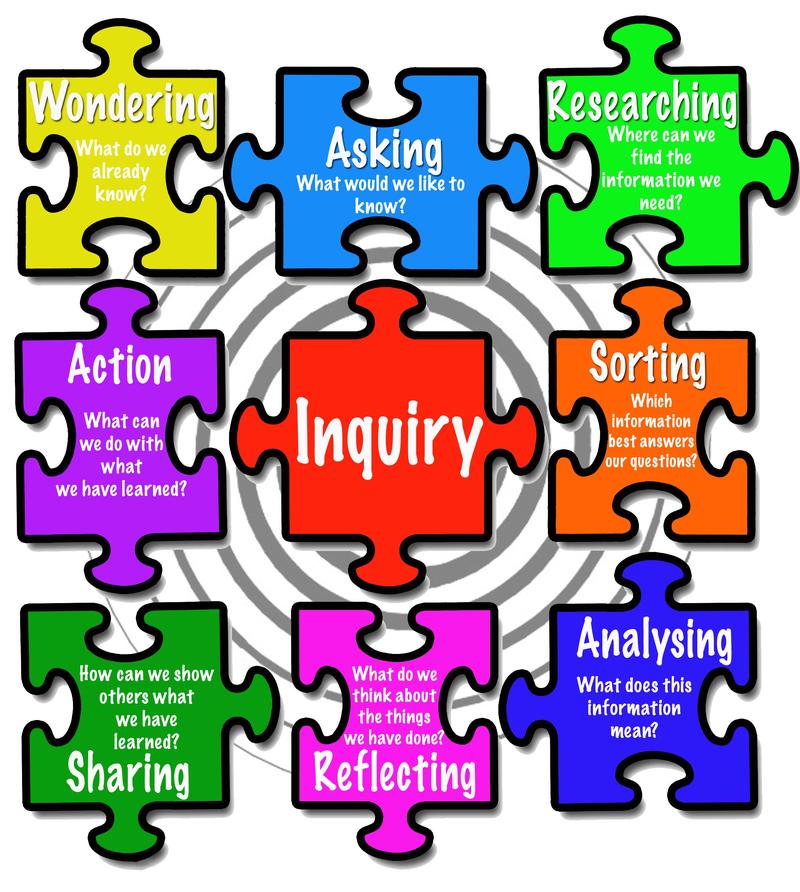
'In any inquiry design, importance is placed on the validity of the inquiry' - (Reader 6, pg 6, 2016) This is something I had already thought about in the ethical dimensions, not to ask a question unless it is a valid and relevant one. Using the tool interviews to obtain relevant information for example.
'Another concept, reliability, identifies whether you have carried your inquiry in such a way that will gain consistent results...' (Reader 6, pg 7, 2016) This essentially means that if I am asking similar people who have a performing arts background the same interview questions, am I getting the same results/similar answers from them.
Generalisability is also covered within the reader, will the research have relevance beyond its initial objective? Could I use the research for something else?
The research of the inquiry can be taken in two different ways, one being the qualitative, using participants views as a basis for the inquiry and the other being quantitative, using a more scientific paradigm, producing statistical data.
The qualitative researcher must be aware of their own biases and the qualitative research is less likely to be used futher than its original objective (generalisability).
The quantitative researcher is usesful to produce averages but on a small scale inquiry perhaps isnt as reliable?
Data Collection Tools
Observations- Conducting an observation allows you to watch and record/analyse an event, for example noticing behaviour of participants, observations ethically would mean the participants would have to know they were being observed but then does this in turn cmake them act differently. The situation of an observation at my workplace would be if the production manager was to come and watch a day of work , would we deliver the entertainment any different to our guests knowing we were being watched?
Interviews- Interviewing is a qualitative tool where you collect what people say. Interviews can be conducted in many ways, face to face, skype, telephone etc. It allows the questions to be asked , their responses can be used as data in the end result. There are a number of different methods of interviewing...open interviews( the interviewee speaks freely), semi structured (questions set by the interviewer are answered), narrative (a story telling format), informal/guided (covers topics but no set questions) Yes/no answers are closed questions, and open questions allow the participants to give their own interpretation.
Focus Groups- Essentially a group interview but they have interaction with the participants rather than just the interviewer. The atmosphere can open up new questions that you perhaps didnt think of but are very relevant to your inquiry. Shy personalities don't work in situations like this and likewise a group of performers would all be very opinionated strong confident characters so may create tension.
Surveys/ Questionaires- a survey for the participants is relatively an easy thing, low response rates will lower the validity of an inquiry. Web based surveys are becoming increasingly popular. They are a quantitative approach to research however open questions can invite a qualitative answer.
Looking at documents- gathering documents and analysing them can play a vital part to an inquiry, data collection is based on docments of various kinds. Journals/diaries are a qualitative approach whereas documents with existing research would be a quantitative approach. Reader 6 gives a good way of analysing a document and I will use the questions from the reader when looking at documents in the inquiry process.
Looking at all the inquiry tools I think the most useful for me would be an interview and survey situation. I would love to be able to do a focus group but I do think a group of confident entertainers will not be the best way to conduct some research, whereas individually, although time consuming I can get more detailed results. Surveys are also something I want to be able to conduct as I feel that the research doesn't have to be in my workplace, it can be any individual. Perhaps creating a survey with some qualitative approaches will help develop questions I can use in an interview situation.
My next stage of development is asking members of my SIG community some of the questions I am coming up with for my surveys etc. It would be interesting to know your thoughts and ideas on what tools you think are the best approaches for your inquires.
Sunday, 2 April 2017
Interesting articles....
It's been a huge blog catch up day for me today! The past week I have found some interesting articles I think you could all enjoy reading if you are on a similar line of inquiry to myself! I am also sharing these with members of the SIG group I am a part of...
The first is a blog I came across asking 'Do we need art in our lives' It wasnt the article that interested me it was the question posed, the article allowed people to comment blog style and it is the comments that created the most interest for me! If you scroll down to the bottom many people have commented with their thoughts and opinions and it is great to see thoughts and opinions from people away from the BAPP arts course....
The second was a recent article posted on the guardian relating to Prince George and his ballet lessons he will be taking at his school in September.
Another I came across was an older post from Washington Post, discussing how children can develop certain skills from performing arts, what interested me was that most of the skills it stated on the article I felt I have and do include on documents like a Curriculam Vitae. Do you guys feel the same?
Working with the over 60's is something I come across in my place of work and teaching dance classes really brings to life the positives it has on their life... this article definitely shows my thoughts and opinions on the arts and aging are shared....
Some other articles I came across also discuss the positives of performing arts and the life skills it can give us.....The social benefits it gives us, and why people like performing arts...
I also found some controversial articles to the performing arts benefiting us and our lives
5d - Ethical Dimensions of Inquiry
Because I am using individuals for my inquiry I need to consider the ethical dimensions of this, especially when it comes to interviews and surveys, most of which I will be using for the purpose of my inquiry. I also want to use participants CV's to analyse against the interviews I have with them. This is using their personal data so I have to consider this too...... The main ethical issues I will face are as follows. I still want to be able to discuss with the SIG groups I am a part of to see if they feel the same way with their inquries.
Interview Questions- The questions I develop need to have relevance to my inquiry, there is no point asking pointless questions that I wont use. Consequentialism, do not ask a question unless the question will beenfit the greater good, in this case the greater good is the inquiry. My aim is not to offend any participants either nor be bias in my questions.
The Inquiry itself- I want to be able to use the information form provided to give to participants so they know exactly what this research is and why it's happening. I also hope to use this form to give them the understanding that they may benefit from the inquiry too.
Keeping Data/results- There are many factors that will come into this, I was looking at the ethics release form and I never even thought about having to store my results in a safe way with passwords etc! Any info on the computer and any recordings I will be saving into a file that isnt linked with any of my shared devices or shared networks like onedrive etc.... Any written data and hard copies I will keep in a folder locked away in privacy. Once I have used all of my findings and the inquiry is finished I will dispose of all information.
Consent- I will need to get consent off the individuals themselves to be able to use their Cv's and any recordings etc, this is at their own discretion and obviously they don't have to let me. The same goes for taking part in any interviews etc, there is no forcing them to answer any questions they dont want to.
Morals- There are some ethical morals I believe come into play with the inquiry as well, I need to make sure I deliver my interviews etc with confidence but at the same time respect and also make sure the interviewee themselves are comfortable and happy.
Interview Questions- The questions I develop need to have relevance to my inquiry, there is no point asking pointless questions that I wont use. Consequentialism, do not ask a question unless the question will beenfit the greater good, in this case the greater good is the inquiry. My aim is not to offend any participants either nor be bias in my questions.
The Inquiry itself- I want to be able to use the information form provided to give to participants so they know exactly what this research is and why it's happening. I also hope to use this form to give them the understanding that they may benefit from the inquiry too.
Keeping Data/results- There are many factors that will come into this, I was looking at the ethics release form and I never even thought about having to store my results in a safe way with passwords etc! Any info on the computer and any recordings I will be saving into a file that isnt linked with any of my shared devices or shared networks like onedrive etc.... Any written data and hard copies I will keep in a folder locked away in privacy. Once I have used all of my findings and the inquiry is finished I will dispose of all information.
Consent- I will need to get consent off the individuals themselves to be able to use their Cv's and any recordings etc, this is at their own discretion and obviously they don't have to let me. The same goes for taking part in any interviews etc, there is no forcing them to answer any questions they dont want to.
Morals- There are some ethical morals I believe come into play with the inquiry as well, I need to make sure I deliver my interviews etc with confidence but at the same time respect and also make sure the interviewee themselves are comfortable and happy.
Subscribe to:
Posts (Atom)